






Food and water basics covers the four decisions behind feeding a pet: which food, how much, how to tell whether the amount is right, and which human foods to keep out of reach. The rules come from the World Small Animal Veterinary Association's nutrition guidelines and the ASPCA's list of foods that poison pets.[1]
Most feeding problems in the Philippines are not exotic. They are table scraps, rice as the main meal, a bowl that is never empty, and a seed mix for a bird. Each of them is fixable this week.
Contents
Choose a complete and balanced food
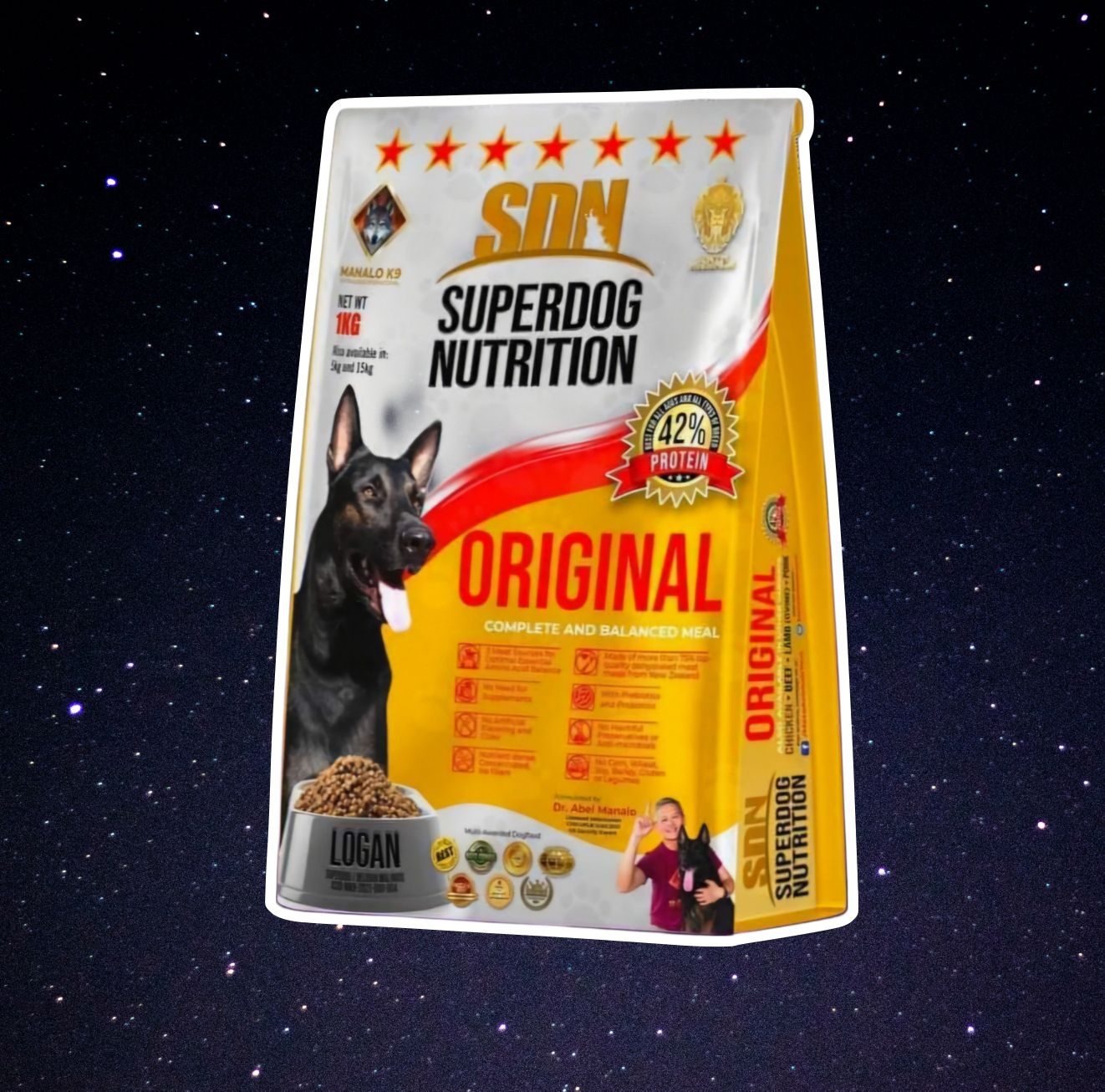
A complete and balanced food is one made to supply every nutrient the animal needs at its life stage, so that nothing else is required. The label says so. Beyond the label, the WSAVA suggests asking the maker who formulates the food, whether it is tested in feeding trials, and what quality control the factory runs. A company that answers those questions is a company you can feed from.[2]
Match the food to the life stage: puppy or kitten, adult, senior. Match it to the species without exception. Cat food is not dog food, and rice with fish is neither.
How much
Start with the feeding guide on the bag for the animal's weight. Then adjust by body condition, not by the bag, because the guide is a starting point and every animal differs. Feed measured meals with a cup or a scale, two or three times a day for an adult dog or cat, more often for a young animal. A bowl that is always full is the fastest route to an overweight pet.
Read the body condition
Veterinarians score body condition from one to nine. Four or five is the target for most dogs and cats: you can feel the ribs under a thin layer of fat, the waist is visible from above, and the belly tucks up from the side. If you cannot feel ribs, cut the meals by a tenth and check again in a month. If the ribs and hip bones show, do the reverse and see the veterinarian.[3]
Water
Clean water, available all day, changed at least once a day and more in the heat. A cat drinks more from a wide bowl or a fountain placed away from the food. A rabbit drinks more from a bowl than from a bottle. A bird's water is changed twice a day because it fouls it.
Treats
Treats are for training and for bonding. Keep them to a small share of the day's food, and count them: a piece of cheese is a meal to a small dog. Choose treats made for the species, or plain cooked meat, plain vegetables, or a piece of fruit where the species allows it.
Human foods that harm
| Food | Why |
|---|---|
| Chocolate, coffee, caffeine | Vomiting, racing heart, tremors, seizures. Dark chocolate is the worst. |
| Xylitol (sugar-free gum, candy, some peanut butters and toothpastes) | Sudden low blood sugar and liver failure in dogs. |
| Grapes and raisins | Kidney failure in dogs, at unpredictable amounts. |
| Onions, garlic, chives, leeks | Damage red blood cells and cause anaemia, in every form including powder. |
| Alcohol and raw yeast dough | Poisoning, bloat, and a stomach that can twist. |
| Macadamia nuts | Weakness, tremors, and fever in dogs. |
| Milk and dairy | Most adult pets cannot digest lactose. Diarrhoea. |
| Raw meat and raw eggs | Salmonella and E. coli for the animal and the household. |
| Avocado | Toxic to birds and rabbits; the pit and skin are a hazard to dogs. |
| Cooked bones | Splinter, and block or pierce the gut. |
The ASPCA keeps the full list. If a pet eats any of these, note how much and call the veterinarian at once rather than waiting for signs.[4]
Species notes
- Dog. A complete dry or wet food for the life stage. Rice is a filler, not a diet. Table food teaches begging and adds weight.
- Cat. An obligate carnivore. It needs nutrients found only in animal tissue and in complete cat food, and it cannot live on dog food, fish, or rice. Wet food helps a cat that drinks little.
- Bird. A formulated pellet as the base, fresh vegetables every day, seed as a small share. Seed alone is high in fat and short of vitamin A and calcium.[5]
- Rabbit. Hay, as much as it wants, as most of the diet. Leafy greens daily. A small measure of plain pellets. No muesli mixes, and fruit as a rare treat.[6]
Common questions
Is home-cooked food better?
Only if a veterinary nutritionist writes the recipe. Most home recipes found online are short of one or more nutrients, and the gaps show after months.
My dog eats grass. Is something wrong?
Usually not. Dogs graze. If it comes with vomiting, weight loss, or a change in appetite, see the veterinarian.
How do I change foods?
Over seven to ten days, mixing a little more of the new food into the old each day. A sudden switch causes diarrhoea.
See also
- The first vet visit and the vaccination schedule
- When to go to the vet now
- Pets in the Philippine climate
References
- ^ World Small Animal Veterinary Association, Global Nutrition Guidelines.
- ^ World Small Animal Veterinary Association, Guidelines on selecting pet foods.
- ^ World Small Animal Veterinary Association, Body condition score charts for dogs and cats.
- ^ ASPCA Animal Poison Control, People foods to avoid feeding your pets.
- ^ Association of Avian Veterinarians, Bird owner resources.
- ^ RSPCA, Feeding your pet rabbit a healthy diet.


