










The first-time dog owner guide is the checklist for the first year with a dog in the Philippines: what to have ready, what the first week looks like, the health schedule, the papers the law requires, and the mistakes a first owner makes. Every item links to the guide that explains it.
A dog is the pet that needs the most of your time. It also repays it more visibly than any other. Plan the time first; everything else follows.
Contents
Before the dog arrives
- A flat collar with a tag that carries your mobile number, and a harness for walks.
- A fixed-length leash. A retractable leash teaches pulling and gives no control on a street.
- Two bowls, and the same food the dog eats now, for the first two weeks.
- A bed and a crate or a pen for a quiet place that is the dog's own.
- Chew toys, because a puppy chews and it will choose the furniture otherwise.
- Poop bags, an enzyme cleaner for accidents, a brush, and nail clippers.
- A veterinarian chosen, with the first visit booked for the first week.
- The household agreement: who walks, who feeds, where the dog sleeps, which rooms are off limits. See Before you bring a pet home.
The first week
- One quiet room, the same food, a fixed routine. See The first week at home.
- Toilet trips every two hours, after every meal, and after every nap. Praise outside. Never punish an accident inside; clean it and shorten the interval.
- Short training sessions, several times a day: sit, come, the dog's name. Reward with food and end while it is going well.
- Alone time from day two: minutes at first, then longer, so the dog learns that you leave and come back.
- The first veterinary visit, with every paper the seller gave you.
- Carry the puppy to see the street, traffic, and calm adult dogs you know. The weeks before about fourteen weeks of age are when a dog learns what is normal, and a puppy that misses them is fearful for life.[1]
Health in the first year
- Week one Check-up, stool test, first deworming, first or next core vaccine dose.
- 6 to 16 weeks Core vaccine series every two to four weeks, final dose at sixteen weeks or later. Rabies vaccine at the age the veterinarian and the LGU set.[2]
- From the first visit Monthly tick, flea, and heartworm prevention, year-round.
- 6 to 12 months Booster dose. Sterilisation at the age the veterinarian advises for the breed and size. See Why and when to spay or neuter.
- Every year after Check-up, rabies booster and LGU renewal, dental check, core boosters on the three-year schedule.
The full schedule and what each vaccine covers is in The first vet visit and the vaccination schedule.
The daily routine
- Two walks, before seven in the morning and after six in the evening in the hot months. See Pets in the Philippine climate.
- Two or three measured meals for a puppy, two for an adult, and water changed twice a day. See Food and water basics.
- Five minutes of training, two or three times a day.
- Play and company. A dog alone in a yard all day is a dog that barks and digs.
- A weekly brush and ear check; more for a long coat.
Papers
- LGU registration and rabies certificate. Required by Republic Act 9482 for every dog. Done at the city or municipal veterinary office, usually with the rabies shot, and renewed with the booster. See how to register your dog with your LGU.
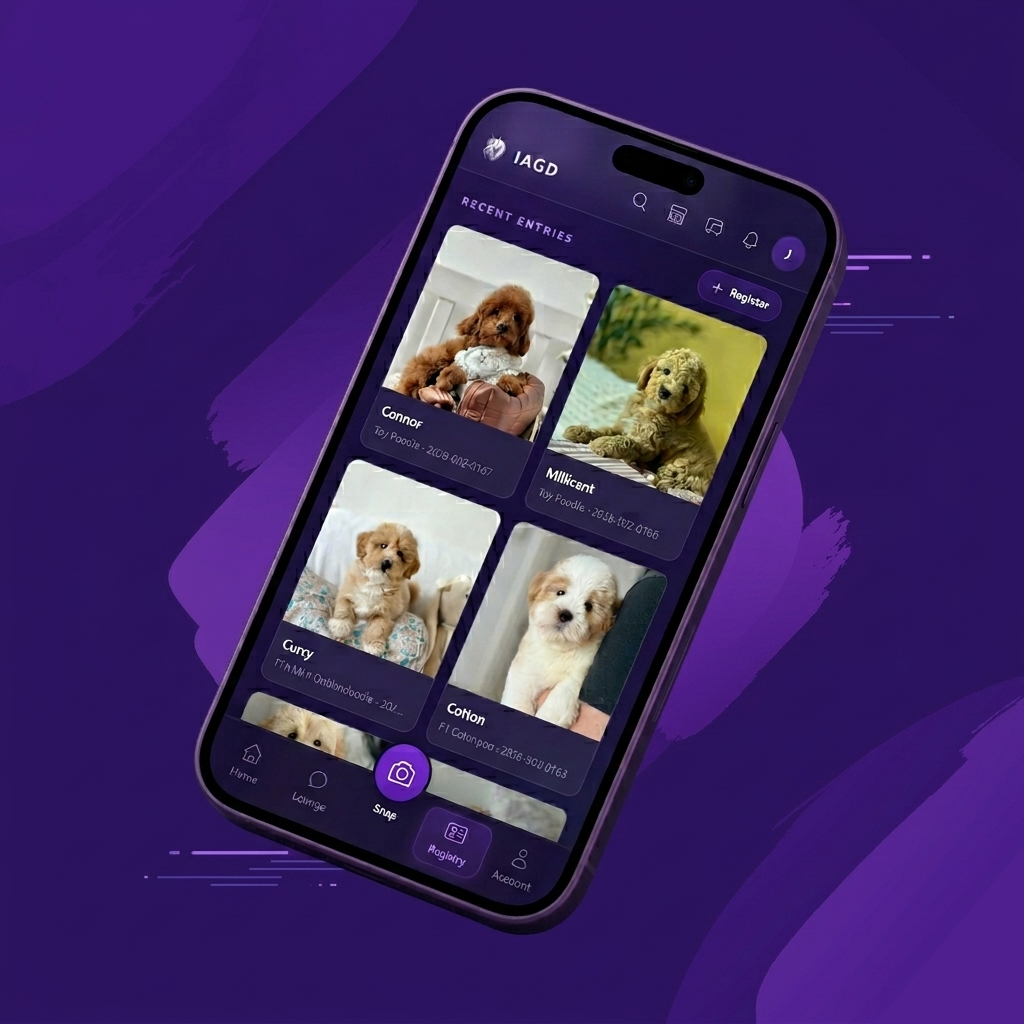
- IAGD record. Free, from the register page or the SuperApp. The IAGD number and QR bring a lost dog home and hold the vaccination card.
- Microchip. At a veterinary visit, and required if the dog ever travels abroad.
How the four layers of identification work together is in How to identify and register your pet.
Costs to plan for
Food every month, prevention every month, the vaccine series and sterilisation in the first year, a yearly check-up after that, and one unplanned visit a year. A large dog roughly doubles the food and the medicine doses. Price these at a clinic near you before the dog arrives.
Common mistakes
- Punishing a toilet accident. The dog learns to hide, not to hold.
- Letting a puppy meet unknown street dogs before the vaccine series is complete.
- Off-leash on a street. Even a trained dog runs at a cat.
- A dog tied outside all day. It is lonely, it overheats, and it is the dog most likely to bite.
- Table food and an always-full bowl.
- Skipping tick and heartworm prevention in the cool months.
- A midday walk in April.
Common questions
Puppy or adult?
An adult from a shelter shows you its temperament, arrives house-trained more often than not, and needs fewer vet visits in the first year. A puppy needs months of supervision. Both are good choices for different households.
Aspin or purebred?
The Aspin copes with the climate, carries fewer inherited conditions, and is free or nearly so. A purebred comes with a predictable size and coat and a breeder who can show you the parents. Either registers in the IAGD.
How much exercise is enough?
Enough that the dog rests when it comes home. For most dogs that is two walks of thirty minutes or more plus play. Working and herding breeds need more.


