










- 17,129 Registered dogs
- 375 Breeds catalogued
- 8 min First-time guide
- Required LGU registration, RA 9482
The dog (Canis lupus familiaris) is a domesticated mammal kept as a companion, a guard, a working animal, and a show animal. It is one of the four species the International Animal Genetics Database (IAGD) has registered since the registry opened, and the only pet the Philippine Anti-Rabies Act names: an owner must register the dog with the local government unit and keep its rabies vaccination current.[1]
A dog needs daily exercise, company for most of the day, training from the first week, and a veterinarian it sees at least once a year. Those needs do not change with the breed, the size, or the price.
Contents
In the registry
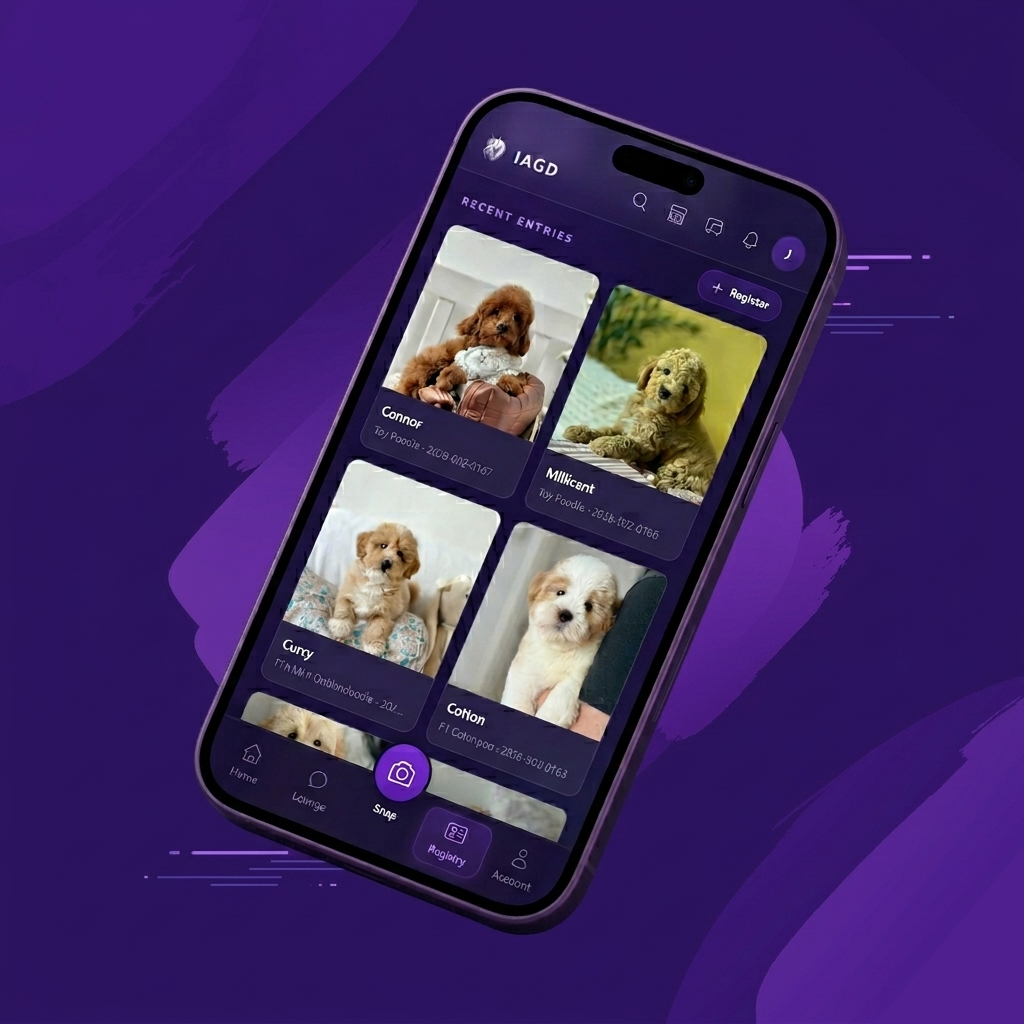
The IAGD registry holds 17,129 dogs. Each record carries an IAGD number, a public profile with the dog's photo, sex, date of birth, and colours, and the lineage the owner recorded. Breed is stored as the owner typed it, so the same breed appears under several spellings; the top breeds page groups them for the count.
A record is public after an administrator approves it. Registration is free and takes a few minutes from the register page or the IAGD SuperApp. Read how an IAGD record and the government papers fit together before you treat either one as a substitute for the other.
Life with a dog
A dog is a social animal. It does poorly alone in a cage or on a chain for the working day, and it shows that in barking, chewing, and escape attempts. Plan for who walks the dog in the morning, who is home in the afternoon, and where the dog sleeps, before the dog arrives.
- Exercise. Two walks a day for most dogs, at dawn and after sunset in the hot months. A yard is not a walk.
- Training. House rules start on day one. Reward the behaviour you want; ignore or redirect the rest. A dog that sits, waits, and comes when called is safer on Philippine streets.
- Company. A dog left alone for long stretches every day needs a plan: a second person, a dog walker, or a different choice of pet.
- Grooming. Short coats need a weekly brush; long and double coats need more, and they hold heat.
- Cost. Food, yearly vaccination, parasite control, and one unplanned vet visit a year are the floor. Budget them before the dog, not after.[2]
Care basics
The guides below cover each of these in full. The short version:
- Feed a complete and balanced food for the dog's life stage, in measured amounts, and keep clean water available all day. See Food and water basics.
- Start the puppy vaccine series between six and eight weeks of age and finish it at sixteen weeks or later. Rabies vaccination is required by law. See The first vet visit and the vaccination schedule.[3]
- Keep a tick, flea, and heartworm plan with your veterinarian. All three are year-round in the Philippines.
- Decide on sterilisation with the veterinarian. Timing depends on the dog's size and sex. See Why and when to spay or neuter.
- Treat heat as the main daily hazard. See Pets in the Philippine climate.
Breeds and the Aspin
The Aspin, short for asong Pinoy, is the common dog of the Philippines. It is not a recognised breed under any written standard; it is a landrace, a population shaped by the place rather than by a breed club. Aspins register in the IAGD like any other dog.
A purebred dog comes with a written standard and, often, health conditions that run in the line. Ask the breeder for the parents' health records and the litter's vaccination record before you commit. A breed's coat and build also decide how it copes with heat: a heavy double coat or a flat face makes hot weather more dangerous.[4]


- FCI Group 1: Sheepdogs and Cattledogs (except Swiss Cattledogs)
- FCI Group 2: Pinscher and Schnauzer, Molossoid breeds, Swiss Mountain and Cattledogs
- FCI Group 3: Terriers
- FCI Group 4: Dachshunds
- FCI Group 5: Spitz and primitive types
- FCI Group 6: Scenthounds and related breeds
- FCI Group 7: Pointing Dogs
- FCI Group 8: Retrievers, Flushing Dogs, Water Dogs
- FCI Group 9: Companion and Toy Dogs
- FCI Group 10: Sighthounds
Laws and papers in the Philippines
- LGU registration. Republic Act 9482 requires every dog owner to register the dog with the city or municipal veterinary office. See do I need to register my dog with my LGU and how to register your dog, step by step.
- Rabies vaccination. Mandatory under the same law, with free shots at most LGU vet offices. See is rabies vaccination required by law and how to get a free anti-rabies shot.
- Welfare. Republic Act 8485, the Animal Welfare Act, sets the duties of every owner. See RA 8485 explained for pet owners.
- Bites. An owner has legal and medical duties after a bite. See what to do if your dog bites someone.
The first year with a dog
 Start here
First-time dog owner guide
Start here
First-time dog owner guide
- 1 Before you bring a pet home
- 2 The first week at home
- 3 The first vet visit and the vaccination schedule
- 4 Food and water basics
- 5 Why and when to spay or neuter
- 6 How to identify and register your pet
- 7 Pets in the Philippine climate
- 8 When to go to the vet now
Common questions
Does an IAGD record replace LGU registration?
No. The IAGD is a private registry. The LGU registration is the legal one, and the two run side by side.
Can I register an Aspin or a mixed-breed dog?
Yes. The registry accepts any dog. Type the breed as you know it, or type Aspin.
How old should a puppy be when it comes home?
Eight weeks at the earliest. A puppy taken from its mother and litter sooner misses the weeks that teach it bite control and dog manners.[5]
See also
References
- ^ Republic Act 9482, Anti-Rabies Act of 2007.
- ^ American Veterinary Medical Association, Selecting a pet for your family.
- ^ World Small Animal Veterinary Association, 2024 Guidelines for the Vaccination of Dogs and Cats.
- ^ American Veterinary Medical Association, Warm weather pet safety.
- ^ RSPCA, Caring for your puppy, 6 weeks to 12 months.


